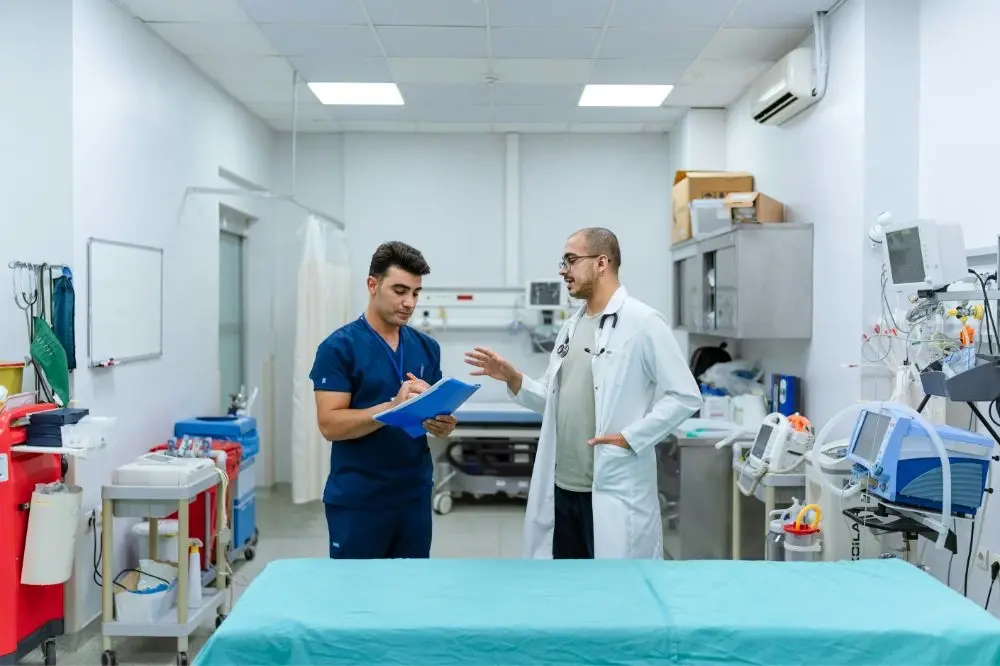




Emergency medicine puts you at the front line of patient care. As a resident, you'll evaluate patients with a wide range of undiagnosed conditions, from a child with a high fever to an adult experiencing cardiac arrest. You'll learn to make decisions under pressure, manage complex medical emergencies, and work alongside nearly every specialty in the hospital.
Depending on the program, emergency medicine residency lasts three or four years. If you're drawn to variety, teamwork, and thinking on your feet, it can be an appealing specialty choice. But how difficult is it to match into emergency medicine residency?
While most emergency medicine positions fill each year, the specialty's competitiveness has changed considerably in recent Match cycles. Your chances depend on your academic record, clinical performance, applicant background, and the programs you target.
In this guide, I'll break down how competitive emergency medicine residency is, what programs look for in applicants, and the steps you can take to strengthen your application. I'll also cover considerations for DO students, international medical graduates (IMGs), and applicants concerned about lower scores or academic setbacks.
Our Physician Advisors match 99% of US clients and 88% of IMG clients into residency.
How Competitive Is Emergency Medicine Residency
According to the National Resident Matching Program (NRMP), emergency medicine offered 3,198 positions in the 2026 Main Residency Match, with 3,058 positions filled, representing a 95.6% fill rate.
| Metric | 2026 Results |
| Positions offered | 3,198 |
| Positions filled | 3,058 |
| Unfilled positions | 140 |
| Position fill rate | 95.6% |
| Positions filled by U.S. MD seniors | 1,416 |
| Positions filled by U.S. DO seniors | 1,119 |
| Positions filled by U.S. IMGs | 319 |
| Positions filled by non-U.S. IMGs | 93 |
These figures also show opportunities for applicants from different educational backgrounds. U.S. DO seniors filled 1,119 positions, while U.S. and non-U.S. IMGs collectively filled 412.
However, a 95.6% fill rate doesn't mean you have a 95.6% chance of matching. It simply means that 95.6% of available positions were filled.
Emergency medicine's fill rates have also shifted considerably in recent years. The specialty filled 81.8% of its positions in 2023, compared with 97.9% in 2025 and 95.6% in 2026. These changes highlight why it's important to use recent Match data rather than relying on older reports when evaluating the specialty's competitiveness.
Competition also varies between programs. Your academic qualifications, clinical evaluations, and program choices all play a role in determining where you're most likely to receive interviews.
What Step 2 CK Score is Competitive for Emergency Medicine?
USMLE Step 2 CK is an important consideration for emergency medicine residency programs, particularly now that Step 1 is reported as pass/fail.
According to the NRMP's 2026 Charting Outcomes in the Match, the median Step 2 CK score for U.S. MD seniors who matched into their preferred specialty of emergency medicine was 249, compared with 229 among those who didn't match into that specialty.
These figures provide a useful benchmark, but they aren't minimum requirements. You can still match into emergency medicine with a score below the matched median, particularly if you have strong clinical evaluations, Standardized Letters of Evaluation (SLOEs), and other qualifications.
Likewise, a score above the median doesn't guarantee a position at a particular program. Some programs use score thresholds when screening applications, so it's important to consider your Step 2 CK score alongside each program's expectations when building your residency list.
What Are the Requirements for Emergency Medicine Residency?
To apply to emergency medicine residency, you'll need to meet each program's eligibility requirements, complete the applicable licensing exams, submit your application materials, and register for the NRMP Main Residency Match.
Unlike most specialties, emergency medicine uses ResidencyCAS rather than ERAS. All emergency medicine residency programs participated in ResidencyCAS for the 2026–2027 application cycle, so you'll need to follow its application procedures and deadlines.
Beyond these basics, programs evaluate your academic and clinical background to determine whether you're prepared for residency. While expectations vary, here's what they'll generally consider.
Academic Performance and Licensing Exams
Your academic record is one of the main ways residency programs assess your medical knowledge and readiness for training. The licensing exams you'll need depend on your educational background.
- U.S. MD students: Programs generally review your USMLE Step 1 passing result and numerical Step 2 CK score. Some programs use Step 2 CK scores to screen applications.
- U.S. DO students: You'll take COMLEX-USA. Many emergency medicine programs accept COMLEX scores, although some prefer or require USMLE results. Check individual program policies before deciding whether to take both examinations.
- International medical graduates (IMGs): You'll generally need to meet USMLE and ECFMG certification requirements, along with any additional eligibility criteria established by individual programs.
Programs also review your emergency medicine clerkship grades and clinical evaluations, along with your Medical Student Performance Evaluation (MSPE), which summarizes your academic and clinical performance throughout medical school.
Some programs have additional screening requirements, including policies regarding previous examination failures, time since graduation, or visa sponsorship.
Emergency Medicine Rotations and Clinical Experience
Your emergency medicine rotations play an especially important role in your residency application. They're opportunities to demonstrate your clinical skills, learn from emergency physicians, and obtain the SLOEs that programs use to evaluate applicants.
According to the Emergency Medicine Residents' Association (EMRA), most applicants should plan for approximately two emergency medicine rotations. This often includes a core rotation at your home institution and an away rotation at another program.
Away rotations, sometimes called audition rotations, are often arranged through the AAMC's Visiting Student Learning Opportunities (VSLO) service, although some institutions use their own application processes.
Keep in mind that away rotations can involve additional expenses, including application fees, travel, and housing. Check program websites for application deadlines and any visiting-student financial assistance, and consider these costs when planning your rotations.
If your medical school doesn't have an emergency medicine residency program, away rotations may be particularly valuable. You may also be able to obtain a non-residency-based SLOE from emergency medicine faculty at your home institution.
For IMGs, U.S. clinical experience expectations vary by program. Some programs prefer emergency medicine experience in the United States, while others accept different types of clinical experience or have no formal U.S. clinical experience requirement. Review individual program policies and use resources like AMA FREIDA to identify programs that align with your qualifications.
Standardized Letters of Evaluation (SLOEs)
The Standardized Letter of Evaluation (SLOE) is a particularly important component of an emergency medicine residency application. Unlike a traditional narrative recommendation letter, it uses a standardized format to help residency programs evaluate applicants more consistently.
Most applicants rely primarily on the electronic Standardized Letter of Evaluation (eSLOE), which is generally written by a group of emergency medicine faculty at an institution with an accredited emergency medicine residency program.
According to EMRA's ResidencyCAS guidance, most applicants should plan to obtain two residency-based eSLOEs. Many programs will review applications with one eSLOE initially, although they may expect a second before interviews or ranking. A third residency-based eSLOE isn't routinely recommended.
The Council of Residency Directors in Emergency Medicine (CORD) also identifies several other types of SLOEs:
- Non-residency-based SLOE: Written by emergency medicine faculty at an institution without an emergency medicine residency program.
- Subspecialty SLOE: Used for relevant experiences such as emergency ultrasound, pediatric emergency medicine, or toxicology.
- Off-service SLOE: Written by faculty who supervised you during rotations outside emergency medicine.
Residency-based eSLOEs are generally preferred, but individual programs may consider other types of letters depending on your circumstances. Be sure to review each program's requirements before assigning your recommendations.
Completed SLOEs can be submitted through CORD's eSLOE system to ResidencyCAS, where applicants can assign up to four letters to each program.
Research and Extracurricular Activities
Research isn't a universal requirement for matching into emergency medicine. However, scholarly work can strengthen your application, especially if you're interested in academic emergency medicine or eventually pursuing a fellowship.
Your experiences outside the classroom matter, too. Leadership, teaching, volunteering, and work experience can help programs better understand your interests and the qualities you'll bring to residency.
Getting involved with your medical school's emergency medicine interest group or organizations like the Emergency Medicine Residents' Association (EMRA) can also help you explore the specialty, connect with mentors, and learn more about residency applications.
You don't need to participate in every possible activity to build a strong application. Focus on experiences that are meaningful to you and give you opportunities to make a genuine contribution.
Five Ways to Strengthen Your Emergency Medicine Residency Application
A strong emergency medicine residency application isn't just about your exam scores or extracurricular activities. Programs also want to understand how you approach patient care, work with others, and respond to challenges in a fast-paced clinical environment.
Here are five ways to put your best foot forward.
1. Make the Most of Your Emergency Medicine Rotations
Your emergency medicine rotations give you an opportunity to show programs what you're like as a future resident. Unlike some other clinical settings, the emergency department often involves evaluating patients with undifferentiated complaints while managing several responsibilities at once.
Strong performance isn't about knowing every diagnosis or having all the answers. It's about approaching patients thoughtfully, communicating clearly, and recognizing when to involve your supervising physicians.
To make the most of each shift:
- Recognize patients who may be unstable: Watch for abnormal vital signs, changes in mental status, or signs of respiratory distress. Alert your resident or attending promptly when you notice concerning findings.
- Work through undifferentiated complaints: Develop a thoughtful differential diagnosis that considers potentially life-threatening conditions. For a patient presenting with chest pain, for example, think about acute coronary syndrome, pulmonary embolism, and aortic dissection.
- Practice developing an assessment and plan: When presenting a patient, explain what you think might be happening and discuss your proposed next steps with your supervising physician. This gives your team insight into your clinical reasoning.
- Communicate with the entire team: Nurses, technicians, pharmacists, consultants, and other healthcare professionals are essential to emergency care. Be respectful, keep relevant team members informed, and communicate changes in your patients' conditions.
- Prepare for patient handoffs: Be ready to summarize your patients' current status, pending results, and important follow-up needs when care is transferred between clinicians.
- Ask for feedback and put it into practice: Check in with residents and attendings about your presentations, clinical reasoning, and teamwork. Look for opportunities to demonstrate improvement throughout the rotation.
Procedural experience can also be valuable, although opportunities vary by institution and your level of training. Show interest and come prepared to learn, while remembering that strong patient assessment, communication, and clinical reasoning are equally important.
2. Plan Ahead for Strong SLOEs
Strong SLOEs begin with thoughtful rotation planning. When scheduling your emergency medicine rotations, consider not only when each rotation ends but also when your evaluations will be completed.
Ideally, you'll have at least one residency-based eSLOE available when programs begin reviewing applications. Before or early in each rotation, ask about the institution's SLOE process, including who contributes to the evaluation, when letters are typically completed, and whether faculty would find your CV or personal statement helpful.
Preparation also matters. Before your rotations, review common emergency department presentations such as chest pain, abdominal pain, shortness of breath, and altered mental status. Reading about the conditions you encounter after each shift can help reinforce what you're learning.
Because eSLOEs often incorporate feedback from several faculty members, consistency is especially valuable. Arrive prepared, take an active interest in patient care, and respond thoughtfully to feedback throughout the rotation.
You don't need one extraordinary shift to make a strong impression. Demonstrating reliability, curiosity, professionalism, and steady improvement can help faculty develop a fuller picture of your potential as a resident.
3. Tell a Compelling Story in Your Personal Statement
Your personal statement is your opportunity to help residency programs understand why you've chosen emergency medicine and what kind of physician you hope to become.
Rather than simply telling programs that you thrive under pressure or enjoy fast-paced environments, think about the experiences that first sparked your interest in the specialty.
Maybe caring for a patient with unexplained abdominal pain taught you to appreciate the importance of working through a broad differential diagnosis. Or perhaps an encounter with a patient who had limited access to healthcare showed you the emergency department's important role in the community.
Specific experiences like these can help you develop a compelling residency personal statement that communicates your motivation in a way that feels genuine and memorable.
You can also give programs a sense of your future goals, whether you're interested in community emergency medicine, academic medicine, or eventually pursuing a fellowship. You don't need to have your entire career planned out, but showing that you've thought about how emergency medicine fits your interests can strengthen your narrative.
4. Use Your ResidencyCAS Experiences to Highlight Your Strengths
The experiences section of your ResidencyCAS application gives you an opportunity to show programs what you've accomplished, what matters to you, and how you've grown throughout medical school.
As you describe your residency application experiences, think about what they reveal about the kind of resident you'll be.
For emergency medicine, experiences that demonstrate teamwork, composure, communication, and service to your community can be especially valuable. If you've worked as an EMT, emergency department technician, or medical scribe, consider what those experiences taught you about patient care and how emergency departments function.
You could also highlight organizing a student-run clinic initiative, mentoring younger medical students, or helping improve a process in a volunteer organization. These examples can demonstrate initiative, collaboration, and problem-solving.
Don't overlook meaningful experiences outside medicine, either. A job in a busy restaurant or retail setting might have taught you to prioritize competing demands, communicate under pressure, or work effectively with people from different backgrounds.
The goal isn't to make every activity sound impressive or force it to connect to emergency medicine. Instead, focus on helping programs understand what you've contributed, what you've learned, and what makes you a thoughtful, well-rounded applicant.
5. Prepare for Emergency Medicine Residency Interviews
Your residency interviews are an opportunity to bring your application to life. Programs have already reviewed your academic background, clinical experiences, and SLOEs. Now they want to understand how you communicate, work with others, and approach challenging situations.
Along with preparing for common residency interview questions, spend time reflecting on experiences that demonstrate your interest in emergency medicine.
Be ready to discuss questions such as:
- Why did you choose emergency medicine?
- Tell me about a difficult patient encounter during one of your clinical rotations.
- How have you responded to constructive feedback or a mistake?
- Tell me about a time you worked through a disagreement with another team member.
- How did you prioritize when you had several responsibilities competing for your attention?
Practice answering with specific examples from your experiences, but avoid memorizing responses word for word. You want to feel prepared while still allowing your personality and enthusiasm for the specialty to come through.
Remember that interviews are also your chance to learn about a program. Ask questions about shift schedules, patient populations, ultrasound and procedural training, resident autonomy, and the support available to trainees.
Our Physician Advisors have helped thousands of med students stand out in their residency interviews. Learn how 1-on-1 interview prep from MedSchoolCoach can help you match into your dream program.
How to Build a Strategic Emergency Medicine Program List
With so many emergency medicine residency programs to choose from, deciding where to apply can feel overwhelming. Aim to build a balanced list that reflects your qualifications, career interests, and the kind of training environment where you'd thrive.
Start by researching programs through tools like AAMC Residency Explorer, AMA FREIDA, and EMRA Match. As you compare your options, consider:
- Your competitiveness: Review available information about resident qualifications, program eligibility requirements, and screening criteria. Include a range of programs that align with your academic record and clinical experience.
- Training environment: Academic medical centers, community hospitals, and county or safety-net hospitals can offer different clinical experiences, research opportunities, patient populations, and levels of autonomy. Think about which setting best supports your goals rather than choosing based on prestige alone.
- Clinical exposure: Look at patient volume, acuity, pediatric emergency medicine experience, procedural opportunities, and ultrasound training. Consider asking residents how these experiences are distributed throughout their training.
- Resident support and career interests: If you're considering a fellowship or academic career, explore mentorship, research opportunities, and graduate outcomes. Also consider how programs support residents through scheduling, teaching, and wellness resources.
- Location and personal fit: Geography, cost of living, proximity to family, and program culture can all affect your residency experience. Don't overlook these factors when developing your list.
You'll also want to compare three- and four-year emergency medicine residency programs. Both training pathways are currently permitted under ACGME requirements.
When researching four-year programs, ask how the additional training time is structured. Some programs may offer additional elective opportunities, research experiences, teaching responsibilities, or other educational activities.
It's also worth considering the financial implications. A fourth year of residency generally means spending another year earning a resident's salary before moving into independent practice.
Program signaling is another important consideration. For the 2026–2027 cycle, CORD guidance provided emergency medicine applicants with five signals through ResidencyCAS. CORD also advised applicants not to signal programs where they completed a core home or away emergency medicine rotation.
Because signaling policies can change, review the current guidance before making your selections. Use your signals to communicate genuine interest in programs where you haven't already established that connection through a core rotation.
If you have a lower Step 2 CK score, a previous exam failure, or another academic setback, pay particular attention to program screening requirements. Some programs may automatically exclude applicants who don't meet certain criteria, while others take a more holistic approach to reviewing applications.
A balanced program list should give you a realistic range of opportunities while prioritizing places where you'd genuinely be excited to train.
Emergency Medicine Residency Application Checklist and Timeline
Emergency medicine residency applications involve several moving parts, particularly when it comes to scheduling clinical rotations, obtaining SLOEs, and completing ResidencyCAS.
Staying organized throughout the process can help you avoid missed deadlines and give each part of your application the attention it deserves.
Use this checklist to keep track of the major milestones:
- Winter–spring of third year: Begin planning your emergency medicine rotations. Schedule your home rotation, research away rotation opportunities, and review application deadlines.
- Early summer: Create your ResidencyCAS account when the application opens, begin drafting your personal statement, and research programs.
- Summer–early fall: Complete your emergency medicine rotations, request SLOEs, finalize your application materials, and develop your program list and signaling strategy.
- September: Submit your ResidencyCAS application by the applicable deadline, confirm that your letters are assigned to programs, and complete NRMP registration according to its published schedule.
- Fall–winter: Attend residency interviews, submit any outstanding SLOEs as permitted, and evaluate programs based on your training goals and preferences.
- Late winter–March: Finalize and certify your NRMP rank order list before its deadline, then prepare for Match Week.
Keep in mind that while ResidencyCAS permits late applications, individual programs may not review them. Aim to meet the published deadline and confirm current dates through the ResidencyCAS application calendar and NRMP Match calendar.
When it's time to create your residency Match rank order list, remember to rank programs in the order you'd genuinely prefer to attend them, not where you think you're most likely to match. The NRMP's applicant-proposing algorithm considers your preferences, so ranking your top choice first won't hurt your chances at programs ranked below it.
If you don't initially match, or only partially match, you may be eligible to participate in the Supplemental Offer and Acceptance Program (SOAP), which allows eligible applicants to seek unfilled residency positions during Match Week.
FAQs
Maximize Your Odds on Match Day
The residency application process is a long road that requires careful planning. In the 2026 Main Residency Match, about 80% of active applicants matched to a PGY-1 position. Starting early and approaching each step strategically can help you put your strongest application forward.
We match 99% of US clients and 88% of IMG clients into residency. Build your application alongside a Physician Advisor with admissions committee experience.
 Jeanie Gribben, MD
Dr. Gribben is a graduate of the Icahn School of Medicine at Mount Sinai and a Merrill Presidential Scholar from Cornell University. She offers tutoring for Steps 1 and 2 and med school coursework, as well as advising support for medical students. She’s dedicated to personalized teaching strategies for student success.