


If you’re considering a career in oncology but also enjoy technology, problem-solving, and meaningful patient relationships, radiation oncology may be a specialty worth exploring. It combines highly technical medicine with direct patient care and requires physicians to think analytically while navigating complex treatment decisions.
Watch our free Residency Specialty Spotlight vidoes to explore the daily life of residents in various specialties and hear practical advice for navigating the match process in each specialty.
What Does a Radiation Oncologist Do?
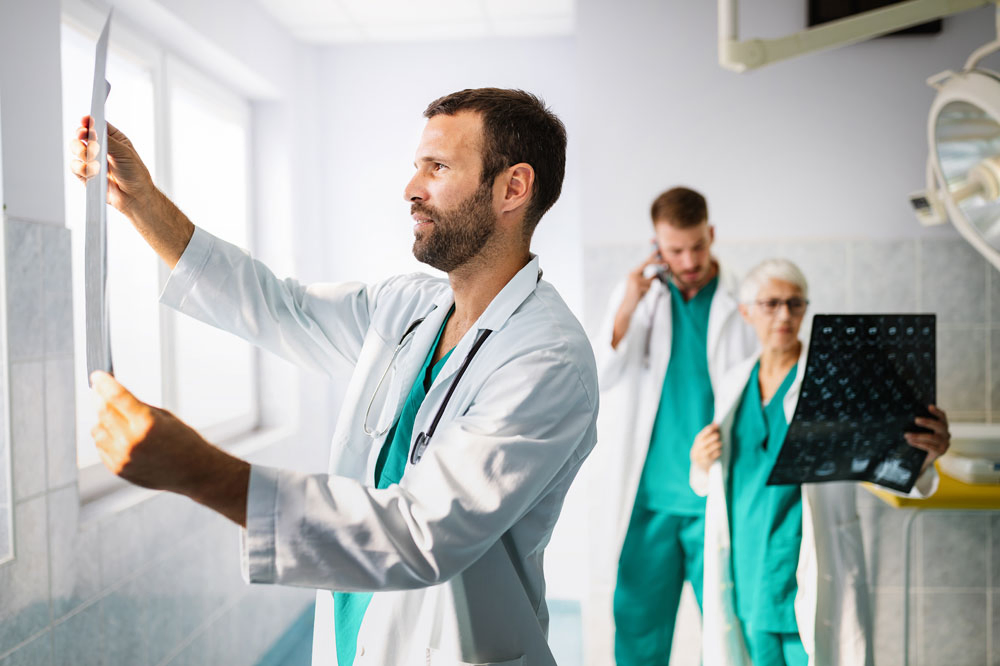
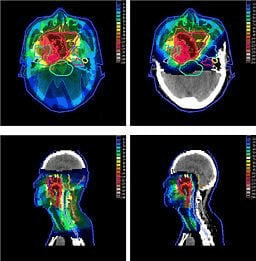 Radiation oncologists are physicians who specialize in using radiation therapy to treat cancer and certain other conditions. They evaluate patients, determine whether radiation is appropriate, develop individualized treatment plans, monitor patients throughout treatment, and manage potential side effects.
The specialty is competitive and also highly collaborative. Because radiation therapy is often one part of a broader cancer treatment plan, radiation oncologists work closely with other cancer specialists and members of the radiation therapy team.
A Radiation Oncologist's Typical Day
To get a firsthand look at the specialty, I spoke with Dr. Aneja, a radiation oncologist, former admissions committee member, and MedSchoolCoach advisor. I asked him about his experience in the field and what aspiring physicians should know about radiation oncology and shadowing. At the time of this interview, Dr. Aneja was completing his radiation oncology residency at Yale.
Could you please describe a typical day at work in your specialty?
Sure. I’m currently a resident in radiation oncology which is somewhat a unique field in medicine. Because it’s a little bit smaller, it’s something premedical students don’t know about and you learn about it in medical school. My typical day of working with a multidisciplinary team of radiation oncologists as well as medical and surgical oncologists includes us seeing patients in clients in clinic who are candidates for radiation therapy. So my typical day involves consultation with them and discussing radiation therapy. The second part of my day involves planning radiation therapy for patients who had previously consented to receive radiation therapy. The planning process includes designing radiation therapy plans as well as approving those plans with our staff members and then the last part of my day is also continually managing the patients currently receiving radiation therapy. I think unlike a lot of other medical fields where patients are seen once every couple of months or every couple of weeks, our patients when receiving radiation therapy are seen every day somewhere between two to five or even nine weeks. It allows you to develop a relationship with them throughout the course of their care.
Do you have students who shadow you sometimes as a radiation oncologist?
Yes, definitely. We have students from all different ages. We have students involved in our high school programme here at Yale who come from the New Haven county who are interested in oncology as a field and we expose them to the ways in which oncology is different than what they have been exposed to just from the current studies. We also have undergraduates who shadow us for a period of time then we have medical students who are rotating and then other residents as well who are involved.
So, when these students shadow you, what are the key things that they should keep in mind? Is there anything in particular that they should be observing or would learn by observing?
Generally when undergraduate students shadow I recommend that they really get an understanding of the way that the clinic flows, the types of patients that we see in an oncology setting and if that is something that they are interested in. I think the other thing that’s important for undergraduates to understand is that medicine is a multidisciplinary field so it’s not only doctors. There are nurses, nutritionists and many others involved in medicine. It is something that involves a multidisciplinary team so despite your position you still have to work with people. For high school students, it’s important for them to see patients and whether or not they enjoy interacting with patients and whether or not they feel like that intellectual processor trying to help patients through solving medical problems. For residents and medical students already in medical school, the important thing is for them to see if this field is something that they are interested in, if they enjoy the clinical flow, if they enjoy the ways in which this field is different than the surgical subspecialties, or feels better, little more diagnostically focused. So things like pathology and radiology would be distinctly different than radiation oncology and that would give them a more patient centred versus radiology and pathology which is centred on diagnostics.
Final Thoughts: Is Radiation Oncology Right for You?
As you consider whether radiation oncology could be a good fit, think about what draws you to the specialty and what its day-to-day realities would mean for you. Much of the work centers on cancer care, which means supporting patients through serious and sometimes emotionally difficult diagnoses.
Radiation oncology is also a relatively specialized field. If you’re drawn to broad medical care, frequent procedures, or spending much of your time in the operating room, another specialty may ultimately feel like a better fit. On the other hand, you may find that the combination of patient care, treatment planning, and technology is exactly what keeps you engaged.
That’s why firsthand exposure can be so useful. If you shadow a radiation oncologist, pay attention to which parts of the work energize you: the patient relationships, treatment planning, technology, collaborative decision-making, or something else entirely. Just as importantly, notice which aspects don’t appeal to you. Both can tell you something valuable about what you want from your future career.
Build a Strong Residency Application with MedSchoolCoach
If radiation oncology feels like the right fit, the next step is building a residency application that reflects your strengths and goals. MedSchoolCoach’s residency match support pairs you with a Physician Advisor who has admissions committee experience to help you plan your strategy, strengthen your application, and prepare for the Match.
We match 99% of US clients and 88% of IMG clients into residency. Build your application alongside a Physician Advisor with admissions committee experience.
 Luke Voytas, MD
Dr. Voytas, a dedicated pediatrician with an passion for nurturing future medical leaders, inspires every student and resident he mentors to reach their fullest potential. Leveraging his rich background in writing, he crafts narrative-driven application essays that uniquely capture each client’s journey and set them apart in the competitive world of medicine.