



Selecting a medical specialty isn’t just about what you find interesting in medical school or how well you scored on Step 2. It’s a massively important choice that can impact your entire life, from medical residency through your career. For many medical students, I find that low burnout and good work-life balance are essential considerations.
I developed this list of the least stressful medical specialties with several questions in mind for med school students preparing for The Match:
- What is the schedule like? Can you count on a standard 9-5? What are the on-call expectations?
- Are most patients you’ll see dealing with emergency issues or ongoing care for less critical conditions?
- What are the typical burnout rates for physicians in this specialty?
- What is the personal life of doctors in the specialty? Should you expect to work long hours with varied work schedules, or can you take time off and get family time?
Rather than ranking medical specialties solely by lowest burnout rates, I used both physician burnout and specialty satisfaction to calculate a Work-Life Balance Index Score. This recognizes that a specialty can have a relatively low burnout rate without necessarily having high physician satisfaction, and vice versa.
The Work-Life Balance Index rewards high specialty satisfaction and low burnout equally:
Work-Life Balance Index = (Specialty Satisfaction % + (100 − Burnout %)) ÷ 2
The higher the score, the stronger the combination of physician satisfaction and lower burnout.
Below, I describe the medical specialties that score well for both burnout and work-life balance. Remember, being a physician doesn’t mean a life destined for burnout!
Statistics are drawn primarily from Medscape's Physician Mental Health & Well-Being Report 2025 and Physician Burnout & Depression Report 2024.
Watch our free Residency Specialty Spotlight videos to explore the daily life of residents in various specialties and hear practical advice for navigating the match process in each specialty.
1. Psychiatry
- Physician Burnout Rate: 39%
- Specialty Satisfaction: 87%
- Work-Life Balance Index Score: 74
Schedule Expectations: Usually standard office hours; on-call responsibilities vary by practice
Patient Needs: Typically ongoing and chronic; some patients may have complex or acute medical needs
While mental health conditions can be challenging to treat, psychiatrists have the benefit of often working with patients long-term, developing relationships, and strategizing treatment plans. A typical day may include evaluating patients, developing treatment plans, managing medications, providing psychotherapy, and monitoring how patients respond to treatment.
For physicians who value predictable schedules and continuity of care, psychiatry can offer a strong work-life balance. Many psychiatrists work in outpatient settings with regular daytime hours and have more control over their schedules than physicians in specialties that routinely involve surgery or hospital shifts.
2. Pathology
- Physician Burnout Rate: 41%
- Specialty Satisfaction: 88%
- Work-Life Balance Index Score: 73.5
Schedule Expectations: Usually standard office hours
Patient Needs: Primarily diagnostics; most work is done outside of patient care settings
The low burnout rate for pathologists is likely due to the combination of predictable schedules, little to no patient interaction, and high salary expectations. As the doctors who diagnose a variety of illnesses, pathologists have a behind-the-scenes role in patient care, examining blood, tissue, and other specimens to identify disease and guide treatment decisions.
Their day-to-day work may include reviewing laboratory results, examining tissue samples, interpreting diagnostic tests, and consulting with other physicians. Because much of this work takes place in labs, hospitals, academic institutions, or private practices, pathologists often have more structured schedules and fewer emergency responsibilities.
3. Ophthalmology
- Physician Burnout Rate: 39%
- Specialty Satisfaction: 84%
- Work-Life Balance Index Score: 72.5
Schedule Expectations: Usually standard office hours, some weekends
Patient Needs: Typically minor, ongoing, and chronic (very rarely emergent or life-threatening)
Ophthalmologists diagnose and treat diseases and injuries affecting the eyes, combining routine exams and medical management with procedures and surgery. Much of the specialty is outpatient and appointment-based, so ophthalmologists can typically plan their days around scheduled patients rather than unpredictable emergencies.
A typical day might include evaluating vision changes, diagnosing conditions such as glaucoma or cataracts, performing laser procedures, or managing patients before and after eye surgery. Ophthalmology also offers variety without requiring physicians to spend most of their time in a hospital.
4. Dermatology
- Physician Burnout Rate: 46%
- Specialty Satisfaction: 87%
- Work-Life Balance Index Score: 70.5
Schedule Expectations: Usually standard office hours
Patient Needs: Typically minor, ongoing, and chronic (very rarely emergent or life-threatening)
Dermatology is among the most competitive medical specialties for residents, and one reason is its reputation as one of the highest-paying medical specialties with good work-life balance. Dermatologists diagnose and treat conditions affecting the skin, hair, and nails, with care ranging from routine evaluations to biopsies, excisions, and cosmetic procedures.
Most dermatologists work in outpatient settings and see scheduled patients. A typical day might include evaluating suspicious moles, treating inflammatory skin conditions, or performing skin biopsies. The variety of medical and procedural work, combined with a largely predictable schedule, makes dermatology a consistently attractive specialty for physician well-being.
Read Next: Average Residency Salary by Location and Post-Graduate Year (PGY)
5. Plastic Surgery
- Physician Burnout Rate: 37%
- Specialty Satisfaction: 78%
- Work-Life Balance Index Score: 70.5
Schedule Expectations: Usually predictable in elective private practice; hospital-based surgeons may have more variable hours and on-call responsibilities
Patient Needs: Often elective, minor, and ongoing; may include reconstructive or urgent surgical care (rarely life-threatening)
Plastic surgeons are typically considered among the lower-stress surgical specialties, in part because much of their work involves scheduled procedures rather than emergency surgery. Patients often find their work personally meaningful, whether they're seeking reconstructive surgery after an injury or illness or elective procedures to improve their appearance.
Plastic surgeons also benefit from fewer complicated insurance and reimbursement issues when working in cash-pay cosmetic practices. Add in some of the highest earning potential in medicine, and it's easy to see why it remains an attractive option for physicians seeking job satisfaction and control over their schedules.
6. Otolaryngology
- Physician Burnout Rate: 43%
- Specialty Satisfaction: 81%
- Work-Life Balance Index Score: 69
Schedule Expectations: Usually standard office hours; some evening, weekend, or on-call responsibilities depending on the practice setting
Patient Needs: Typically ongoing and chronic; may include urgent conditions, but are rarely life-threatening
Otolaryngologists, or ENT physicians, diagnose and treat conditions affecting the ears, nose, throat, head, and neck. Their work includes everything from treating allergies, sinus problems, hearing loss, and infections to performing procedures and surgery. This gives physicians a mix of office-based care and hands-on treatment.
Much of ENT care is scheduled and outpatient, which can offer more predictable hours than many other surgical specialties. The mix of medical and surgical work, with relatively few emergency cases, makes ENT appealing to physicians seeking procedural work with a more predictable lifestyle.
7. Orthopedics
- Physician Burnout Rate: 44%
- Specialty Satisfaction: 81%
- Work-Life Balance Index Score: 68.5
Schedule Expectations: Usually standard office hours; orthopedic surgeons in hospital settings may have evening, weekend, or on-call responsibilities
Patient Needs: Typically ongoing and chronic; may include complex injuries but are rarely life-threatening
Orthopedics focuses on conditions affecting the musculoskeletal system, including bones, joints, muscles, and ligaments. Orthopedic physicians treat everything from arthritis and sports injuries to fractures and mobility problems, with treatment ranging from physical therapy and medication to surgical intervention.
Many orthopedic conditions are not life-threatening, and physicians often see scheduled patients in outpatient settings. The specialty can also be particularly rewarding because successful treatment can significantly improve a patient's mobility and quality of life.
8. Physical Medicine & Rehabilitation
- Physician Burnout Rate: 46%
- Specialty Satisfaction: 80%
- Work-Life Balance Index Score: 67
Schedule Expectations: Hours vary; private practice offers standard office hours, while those in hospital settings may work evening/weekend hours
Patient Needs: Typically ongoing and chronic
Physical medicine and rehabilitation (PM&R) physicians help patients recover from injuries, illnesses, and disabilities, restoring function and quality of life. Their work may include evaluating mobility and pain, developing rehabilitation plans, managing medications, and coordinating care with specialists like physical and occupational therapists.
PM&R generally involves predictable workloads and relatively little emergency care, particularly in outpatient practice. Unlike surgical specialties, physicians can help patients make meaningful improvements without performing major procedures. The focus on long-term recovery allows them to build lasting relationships with patients.
9. Diabetes & Endocrinology
- Physician Burnout Rate: 44%
- Specialty Satisfaction: 76%
- Work-Life Balance Index Score: 66
Schedule Expectations: Usually standard office hours; hospital-based endocrinologists may have some evening, weekend, or on-call responsibilities
Patient Needs: Typically ongoing and chronic
Endocrinologists diagnose and treat conditions involving hormones and metabolism, including diabetes, thyroid disorders, osteoporosis, and adrenal and pituitary conditions. Much of the work involves outpatient consultations, interpreting lab results, adjusting medication plans, and helping patients manage chronic conditions over time.
The specialty's emphasis on scheduled, outpatient care and long-term patient relationships can make for a relatively predictable workday compared with many acute-care specialties. For physicians who enjoy diagnostic problem-solving and managing complex conditions without a primarily procedural or surgical practice, endocrinology can offer a good balance.
10. Cardiology
- Physician Burnout Rate: 47%
- Specialty Satisfaction: 76%
- Work-Life Balance Index Score: 64.5
Schedule Expectations: Hours vary; outpatient practices may offer more standard hours, while hospital-based cardiologists may have evening, weekend, or on-call responsibilities
Patient Needs: Often chronic and ongoing; may include acute and life-threatening conditions
Cardiologists diagnose and treat diseases of the heart and cardiovascular system, managing conditions like hypertension, high cholesterol, heart failure, and arrhythmias. Their work may include interpreting diagnostic tests such as echocardiograms and stress tests, adjusting medications, and performing procedures to diagnose and treat heart conditions.
Although cardiology can involve complex and urgent cases, the specialty offers a significant variety of opportunities to shape a practice around a physician's interests. Outpatient cardiologists may have more predictable schedules, while procedural and hospital-based cardiologists typically have more demanding call schedules.
11. Urology
- Physician Burnout Rate: 49%
- Specialty Satisfaction: 72%
- Work-Life Balance Index Score: 63
Schedule Expectations: Hours vary; private practice may offer more standard hours, while hospital-based urologists may have evening, weekend, or on-call responsibilities
Patient Needs: Often ongoing and chronic; may include urgent or emergent conditions (rarely life-threatening)
Urologists diagnose and treat conditions affecting the urinary tract and male reproductive system. Care ranges from medication management and office-based procedures to surgeries. The specialty offers a mix of medical and surgical care, with opportunities to work in private practice or hospital-based settings.
Private practice can provide more control over scheduling and patient volume, while hospital-based work may involve more variable hours and call. This flexibility, along with the variety of procedures and opportunity to build long-term patient relationships, makes urology an appealing option.
12. Nephrology
- Physician Burnout Rate: 46%
- Specialty Satisfaction: 69%
- Work-Life Balance Index Score: 61.5
Schedule Expectations: Hours vary; private practice may offer more standard hours, while hospital-based nephrologists may have evening, weekend, or on-call responsibilities
Patient Needs: Often ongoing and chronic; may include complex or life-threatening conditions
Nephrologists diagnose and treat conditions affecting the kidneys, including chronic kidney disease, high blood pressure, and electrolyte disorders. Their work often involves reviewing lab results, managing medications, coordinating treatment, and helping patients manage chronic conditions over time.
While nephrology involves some complex and seriously ill patients, much of the work centers on long-term care and scheduled visits. Physicians can also choose between private practice and hospital-based settings, offering some flexibility in how they structure their careers.
13. Public Health & Preventive Medicine
- Physician Burnout Rate: N/A (in 2023, the burnout rate was 37%)
- Specialty Satisfaction: 87%
Schedule Expectations: Usually standard office hours
Patient Needs: Most work is done outside of patient care settings
Doctors in public health and preventive medicine focus on disease prevention, health education, and policies that improve health across entire populations rather than treating individual patients. Their work may involve analyzing health data, developing prevention programs, conducting research, advising government agencies, or working on public health policy.
For physicians interested in infectious diseases, this can also mean working on outbreak prevention, disease surveillance, and population-level strategies. Because many physicians in this field work in academic, governmental, or nonprofit settings, they often have schedules that look more like those of traditional professional careers than of critical care.
14. Allergy & Immunology
- Physician Burnout Rate: N/A (in 2023, the burnout rate was 49%)
- Specialty Satisfaction: 94%
Schedule Expectations: Usually standard office hours
Patient Needs: Typically minor, ongoing, and chronic (rarely emergent or life-threatening)
Allergists and immunologists diagnose and treat conditions involving the immune system, including allergies, asthma, and immune deficiencies. Much of the work takes place in an outpatient setting and involves evaluating symptoms, identifying triggers, interpreting test results, and developing long-term treatment plans.
Allergy and immunology focuses on scheduled, outpatient care, which means physicians typically have predictable hours and little overnight or emergency work. Allergists may also have the option to work in private practice, giving them greater control over their schedules and patient volume.
Our Physician Advisors match 99% of US clients and 88% of IMG clients into residency.
What Contributes to Physician Burnout?
Medscape's 2026 Physician Burnout & Depression Report found that a little under half of full-time U.S. physicians experience burnout, while almost one quarter experience depression. More than 8 in 10 physicians said their burnout was primarily related to their work, and not their personal lives.
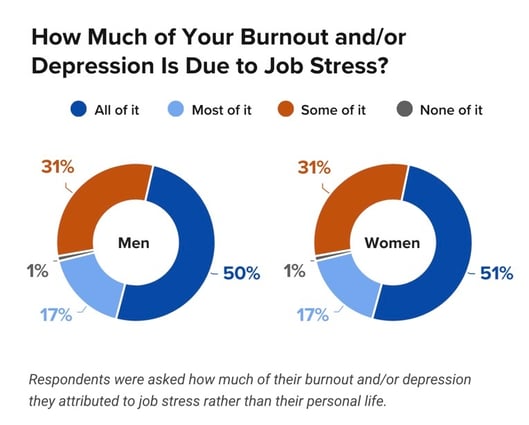
SOURCE: Medscape Physician Burnout & Depression Report 2026
The biggest contributors remain bureaucratic tasks and long hours, followed by lack of respect and insufficient compensation. About half of physicians also said their employers don't pay enough attention to burnout. Many doctors are responding by reducing their hours, changing jobs, or pushing for changes to their workflows.
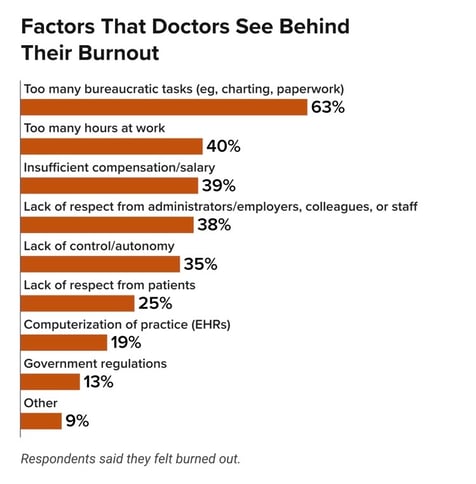
SOURCE: Medscape Physician Burnout & Depression Report 2026
It's important to remember that burnout isn't determined by specialty alone. Practice setting, workload, schedule flexibility, and workplace culture can all affect a physician's experience. That's why this list considers both burnout and specialty satisfaction when evaluating which specialties may offer the best work-life balance.
As you consider which specialties you'd prefer, remember that your well-being is about more than avoiding burnout. Your interests, priorities, family situation, and the type of work you find fulfilling should all factor into your decision about your career as a physician.
Once you’ve narrowed down the specialty that best fits your interests and lifestyle, the next step is building a strong residency application. That means determining how many programs to apply to, understanding how residency program signals can strengthen your strategy, and ultimately creating your residency rank order list (ROL).
Learn More: IMG-Friendly Residency Programs and Specialties
FAQs
Match With Your Dream Residency Program
Choosing the right specialty is an important first step, but building a competitive residency application takes careful planning. MedSchoolCoach can help you evaluate your specialty options, strengthen your application, choose the right programs, and prepare for residency interviews with guidance from our experienced advisors.
We match 99% of US clients and 88% of IMG clients into residency. Build your application alongside a Physician Advisor with admissions committee experience.
 Jeanie Gribben, MD
Dr. Gribben is a graduate of the Icahn School of Medicine at Mount Sinai and a Merrill Presidential Scholar from Cornell University. She offers tutoring for Steps 1 and 2 and med school coursework, as well as advising support for medical students. She’s dedicated to personalized teaching strategies for student success.