



High-yield topics on the Medical College Admission Test (MCAT) are concepts that frequently appear on the exam or play an important role in understanding the material being tested. Prioritizing these topics can help you use your study time efficiently, particularly when you’re reviewing for the exam or focusing on areas where you need the most improvement.
While high-yield topics aren't the only topics you should cover in your MCAT prep, prioritizing them can help you make the most of your study time. You should still complete a comprehensive content review, but giving extra attention to these frequently tested concepts can help you study more strategically.
In this guide, I’ll break down the MCAT sections and subjects they cover, identify high-yield topics based on AAMC practice exams, and share strategies to help you prep for them efficiently.
Download our free MCAT Equations Sheet to get access to every Chem-Phys equation you'll need to know for the MCAT. Memorize the Arrhenius Equation, Coulomb’s Law, and much more!
MCAT Section Breakdown
There are four sections of the MCAT. Of those, three are science sections, and the fourth (CARS) is reading comprehension-focused. According to the AAMC, here are the subjects you can expect to see in each science section, each of which contains 59 questions, and the percentage of questions based on that subject.
Biological and Biochemical Foundations of Living Systems:
- 65% introductory biology — ~38 questions
- 25% first-semester biochemistry — ~15 questions
- 5% general chemistry — ~3 questions
- 5% organic chemistry — ~3 questions
Chemical and Physical Foundations of Biological Systems:
- 30% general chemistry — ~18 questions
- 25% first-semester biochemistry — ~15 questions
- 25% introductory physics — ~15 questions
- 15% organic chemistry — ~9 questions
- 5% introductory biology — ~3 questions
Psychological, Social, and Biological Foundations of Behavior:
- 65% introductory psychology — ~38 questions
- 30% introductory sociology — ~18 questions
- 5% introductory biology — ~3 questions
These percentages can help you understand how heavily each discipline is represented on the MCAT. For example, introductory biology and biochemistry make up most of the Bio/Biochem section, while general chemistry, physics, and biochemistry account for a large portion of Chem/Phys.
But keep in mind that the AAMC describes these percentages as approximate, and the exact distribution can vary from one exam to another. Use them as a guide alongside your own practice performance when deciding where to spend your study time.
High-Yield MCAT Topics
In addition to high-yield MCAT subjects, there are also specific high-yield topics to prioritize.
Our team of expert tutors analyzed official AAMC MCAT practice exams to identify which science topics appear most frequently. We tallied the number of AAMC questions related to each topic and compared them to determine which topics are highest-yielding. These topics span molecular biology, biochemistry, biology, chemistry, and psychology, among other disciplines.
Here are the high-yield MCAT topics based on our analysis:
|
High-Yield Topic |
MCAT Sections |
Academic Disciplines |
What's Involved |
|
Amino Acids |
Bio/Biochem, Chem/Phys |
Biochemistry |
Understand the absolute configuration, chirality, and specific rotation of amino acids and their significance in protein structure. |
|
Lipids |
Chem/Phys |
Biochemistry |
Learn lipid structure, including steroids, terpenes, and prostaglandins, and their biochemical roles. |
|
Carbohydrates |
Bio/Biochem, Chem/Phys |
Biochemistry |
Comprehend carbohydrate nomenclature, classification, and isomerism, and their role in cellular structure and metabolism. |
|
Gel Electrophoresis & Blotting Techniques |
Bio/Biochem |
Biochemistry |
Familiarize with gel electrophoresis, Southern and Western blotting techniques, and their applications in DNA, RNA, and protein analysis. |
|
Protein Structure & Function |
Bio/Biochem, Chem/Phys |
Biochemistry, Biology |
Understand the primary, secondary, tertiary, and quaternary structures of proteins, as well as their implications for protein function and enzymatic activity. |
|
Enzymes & Enzyme Kinetics |
Bio/Biochem, Chem/Phys |
Biochemistry, Biology |
Study enzyme functions in biological reactions, enzyme kinetics, and factors affecting enzyme activity, including Michaelis-Menten kinetics. |
|
Nucleotides & Nucleic Acids |
Bio/Biochem, Chem/Phys |
Biochemistry, Biology |
Learn about nucleotides, nucleosides, and their structures, functions, and roles in genetic information storage. |
|
Glycolysis & Gluconeogenesis |
Bio/Biochem |
Biochemistry, Biology |
Understand the processes, substrates, and products of aerobic glycolysis and gluconeogenesis. |
|
Citric Acid Cycle |
Bio/Biochem |
Biochemistry, Biology |
Comprehend Acetyl-CoA production, citric acid cycle reactions, and their biochemical significance. |
|
Beta Oxidation & Fatty Acid Synthesis |
Bio/Biochem |
Biochemistry, Biology |
Learn the oxidation of fatty acids, the differences between saturated and unsaturated fats, and the significance of fatty acid synthesis. |
|
Electron Transport Chain & ATP Synthase |
Bio/Biochem |
Biochemistry, Biology |
Study the components and functions of the electron transport chain and ATP synthase in energy production through oxidative phosphorylation. Understand the role of the mitochondria in these processes. |
|
Transcription & Translation |
Bio/Biochem |
Biology |
Understand the roles of tRNA, rRNA, and the mechanisms of transcription and translation in protein synthesis. |
|
Eukaryotic Chromosomes |
Bio/Biochem |
Biology |
Learn about chromosomal proteins, DNA organization in chromosomes, and their genetic implications, including the role of meiosis in the distribution of chromosomes. |
|
Prokaryotic Gene Expression |
Bio/Biochem |
Biology |
Study the operon concept, gene repression and induction, and their roles in prokaryotic gene expression. |
|
Eukaryotic Gene Expression |
Bio/Biochem |
Biology |
Comprehend transcriptional regulation, DNA-binding proteins, and their roles in eukaryotic gene expression. |
|
DNA Replication & Repair |
Bio/Biochem |
Biology |
Understand the mechanisms of DNA replication, strand separation, and the significance of DNA repair processes. |
|
Thermodynamics |
Bio/Biochem, Chem/Phys |
Biochemistry, General Chemistry |
Study bioenergetics, free energy, entropy, and equilibrium constant, and their relevance in biochemical reactions. |
|
Kinetics |
Chem/Phys |
General Chemistry |
Learn about reaction rates, factors affecting reaction rates, and their implications in chemical reactions. |
|
Temperature & Phase Changes |
Chem/Phys |
General Chemistry |
Comprehend heat of fusion, heat of vaporization, phase diagrams, and their significance in physical chemistry. |
|
Chromatography Techniques |
Chem/Phys |
Organic Chemistry |
Understand various chromatography techniques, their principles, and applications in separating mixtures, including the separation of racemic mixtures and enantiomers. |
|
Aldehydes & Ketones |
Chem/Phys |
Organic Chemistry |
Learn the nomenclature, physical properties, and importance of aldehydes and ketones in organic chemistry. |
|
Alcohols |
Chem/Phys |
Organic Chemistry |
Study the nomenclature, physical properties, and reactions of alcohols and their significance in organic reactions. |
|
Carboxylic Acids |
Chem/Phys |
Organic Chemistry |
Understand the nomenclature, physical properties, and importance of carboxylic acids in organic chemistry. |
|
Acid Derivatives |
Chem/Phys |
Organic Chemistry |
Learn about anhydrides, amides, and esters, in addition to their structures and their roles in organic chemistry. |
|
Nervous system |
Psych/Soc, Bio/Biochem |
Biology, Psychology |
Comprehend the major functions, high-level control, and integration of the nervous system, as well as its relationship with the endocrine system. |
|
Neurotransmitters |
Psych/Soc, Bio/Biochem |
Biology, Psychology |
Study neurotransmitters, their influence on behavior and cognitive functions, and their relevance in the nervous system. |
|
Nervous system disorders |
Psych/Soc, Bio/Biochem |
Biology, Psychology |
Understand the biological bases of nervous system disorders (Parkinson's & Alzheimer's), their symptoms, and their treatments. |
|
Brain areas that control language & speech |
Psych/Soc |
Biology, Psychology |
Learn theories of language development and brain areas involved in language processing and speech. |
|
Consciousness-Altering Drugs |
Psych/Soc |
Psychology, Biology |
Understand types of consciousness-altering drugs, their effects, and their implications for consciousness and behavior. |
|
Sleep & Sleep Cycles |
Psych/Soc |
Psychology, Biology |
Study stages of sleep, sleep cycles, and changes in physiological parameters during sleep. |
|
Piaget’s Stages of Cognitive Development |
Psych/Soc |
Psychology |
Comprehend Piaget’s stages of cognitive development and their significance in cognition and cognitive psychology. |
|
Heuristics & Biases |
Psych/Soc |
Psychology |
Learn about various heuristics and biases, their effects on decision-making, and judgment. |
|
Memory |
Psych/Soc |
Psychology |
Understand the encoding process, types of memory, and factors affecting memory retention and recall. |
|
Theories of personality |
Psych/Soc |
Psychology |
Study different theories of personality, including the psychoanalytic, humanistic, trait, & social-cognitive perspectives. |
|
Psychological disorders |
Psych/Soc |
Psychology |
Comprehend different types of psychological disorders, their symptoms, and approaches to treatment. |
|
Attitudes |
Psych/Soc |
Psychology |
Learn about the components of attitudes (cognitive, affective, and behavioral), their formation, and their influence on behavior. |
Keep in mind that high-yield topics may not always appear as straightforward, standalone questions. The MCAT often tests these concepts within passages, experiments, graphs, or questions that combine material from multiple disciplines. For example, a passage about metabolism might require you to apply your knowledge of amino acids, enzymes, thermodynamics, and experimental design at the same time.
That’s why it’s important to understand not only the facts associated with each topic, but also how the concepts connect and how to apply them in unfamiliar situations.
Think you know your MCAT material? Put it to the test with our free MCAT Runner Game. Answer MCAT-style questions, clear obstacles, and see how far you can get.
How to Prioritize High-Yield Topics
Use the high-yield list as a starting point for deciding where to spend your study time, but don’t treat every topic on the list as equally important for you. Your priorities should depend on both how frequently a topic is tested and how well you understand it.
Start by identifying the high-yield topics you know you need more review in. For topics you already understand, a quick review and practice questions may be enough to reinforce your knowledge.
You should also continue reviewing topics outside this list. The AAMC's MCAT content outline includes the full range of concepts you may encounter on test day, including topics such as cell organelles and operant conditioning. High-yield topics should help you prioritize your review rather than replace comprehensive preparation.
As you work through practice questions and full-length exams, use your results to adjust your priorities. If you repeatedly miss questions related to a particular topic, move it higher on your list, even if it isn't one of the highest-frequency topics overall. The goal is to spend the most time on the combination of high-frequency topics and your own areas of weakness.
Expert Study Strategies
Knowing which MCAT topics are high-yield is only part of the equation. How you study them matters just as much.
One of our MCAT tutors, Camille Villar, shared the strategies she used while preparing for the exam and now recommends to students. These approaches can help you move beyond simply reviewing content and toward actually understanding, retaining, and applying it.
Master the Foundations
High-yield topics often build on foundational concepts, so make sure you understand the basics before moving on to more complex material. Rather than trying to memorize isolated facts, focus on understanding how concepts fit together. A strong grasp of the fundamentals will make it easier to apply your knowledge to unfamiliar passages and questions on MCAT test day.
Utilize Active Learning
Don't rely just on rereading textbooks or reviewing notes. Use active learning techniques that require you to retrieve information and explain concepts in your own words.
Flashcards can be useful for retaining high-yield facts and concepts, particularly when they use spaced repetition, but the best study method is the one that works for you. If flashcards help you learn, use them regularly. If they don't, don't force yourself to use them because you heard that they work for someone else.
You can also try explaining a difficult concept out loud or drawing it on a whiteboard. When Camille struggled with immunology, she revisited the relevant Kaplan chapter and used a whiteboard to map out the relationships between different immune cells.
Focus on Your Weakest Areas
Your personal high-yield topics may look different from the topics that appear most frequently on the exam. Use practice questions and practice exams to identify where you are struggling, then devote additional study time to those areas.
For example, if you consistently miss questions about cell biology, metabolic pathways, electrochemistry, or the immune system, move those topics higher on your study list, even if they aren't among the highest-yield topics overall. Your practice results should help you identify where additional review will have the greatest impact.
Still Keep a Balance of High-Yield vs. Other Topics
High-yield topics should receive significant attention, but they aren't the only material you need to study. The MCAT can test concepts across the full range of content covered by the AAMC.
If you neglect foundational or lower-frequency topics entirely, you may struggle to draw the connections needed to answer passage-based questions. Use the high-yield list to prioritize your review, but continue working toward comprehensive content knowledge.
Practice Under Test Conditions
Practice questions are essential for learning how to apply your knowledge, not just determining whether you remember it. As you get closer to test day, practice under conditions that mimic the real MCAT, including timed sections, full-length blocks of questions, and scheduled breaks.
Consider incorporating practice exams that replicate the test environment to build both pacing and mental endurance. Review your mistakes afterward and use them to identify topics that need additional attention.
Read Next: 2027 MCAT Test and Score Release Dates
Review Why You Missed Each Question
Don’t stop at checking whether a practice question was right or wrong. When you miss one, identify why. Did you forget the underlying content, misread the passage, apply the wrong equation, or make a reasoning mistake?
Tracking the cause of your errors can help you distinguish between a true content gap and a test-taking issue. If the same topic or type of mistake keeps appearing, use that pattern to guide what you review next.
Develop a Consistent, Strategic Study Schedule
A strong MCAT study schedule should fit your schedule, your starting point, and your goals. You don't necessarily need to spend hours studying every day to make meaningful progress. I recommend breaking study sessions into manageable chunks, noting that even short, consistent daily sessions can add up over time.
As you work through your plan, adjust it based on your progress. Spend more time on topics you continue to struggle with and less time reviewing material you've already mastered.
Don’t Just Memorize
Although there are facts, equations, and concepts you need to memorize for the MCAT, understanding should be the foundation of your preparation. When reviewing a high-yield topic, ask yourself why a process works, how different concepts relate to one another, and how you would apply the information to a new scenario.
The MCAT tests your ability to apply knowledge to unfamiliar situations, so understanding the underlying concepts is more valuable than memorizing surface-level facts alone.
Consider Comprehensive MCAT Tutoring
If you're struggling to identify your weaknesses, stay on track with your study plan, or improve your practice exam scores, an MCAT tutor can provide personalized guidance. A tutor can help you identify the topics that deserve the most attention, explain difficult concepts, and develop a study strategy around your specific needs.
MedSchoolCoach MCAT tutoring can be especially helpful for students who aren't seeing the improvement they want from self-study or who are preparing to retake the MCAT. Before deciding to retake, make sure you understand how many times you can take the MCAT and how to make the most of another attempt.
Get a Guaranteed Score Increase when you sign up for Silver, Gold, or Platinum MCAT tutoring.
Best Resources for High-Yield MCAT Prep
The best MCAT resources should help you do more than review high-yield content. Look for tools that let you practice applying what you know, identify weak areas, and revisit concepts you continue to miss.
Depending on your study style and where you are in your prep, these resources can help:
- MCAT Prep by MedSchoolCoach, the top-ranked MCAT mobile app featuring science content videos, lecture notes, and flashcards
- MCAT Go by MedSchoolCoach, an audio MCAT prep course that allows you to study MCAT science anytime and anywhere
- CARS Mastery by MedSchoolCoach, a video course that teaches you expert-developed strategies for maximizing your CARS score
- MedSchoolCoach MCAT Practice Exams, the most realistic practice exams on the market
- AAMC full-length MCAT practice tests (Use our MCAT Score Conversion Calculator to get a scaled score from your AAMC practice exam.)
Read Next: When Should You Take the MCAT?
FAQs
- Amino acids
- Protein structure and function
- Enzymes and enzyme kinetics
- Nucleotides and nucleic acids
- Glycolysis and gluconeogenesis
- Thermodynamics
Score 12+ Points Higher on the MCAT
Knowing which topics to prioritize is one part of an effective MCAT study plan. The right tutor can help you identify your specific weaknesses, focus your study time, and build a strategy around your target score so your med school application is the best it can be.
MedSchoolCoach tutors are 99th-percentile MCAT scorers who provide personalized guidance throughout your preparation.
Work with a 99th-percentile tutor, and get a Guaranteed Score Increase when you sign up for a Silver, Gold, or Platinum MCAT tutoring package.
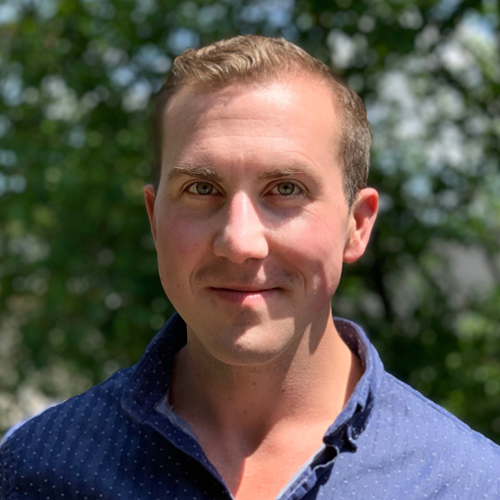 Alex Starks
Alex scored in the 99th percentile on his MCAT and has over 13 years of teaching experience. He joined MedSchoolCoach to help lead our content division, focused on creating the most realistic practice questions and highest quality video content available anywhere.