





Every year, thousands of pre-med students search for the best medical schools in the U.S. as they start building their application lists. But there is no single “best” medical school for every student. The right fit depends on factors like your career goals, specialty interests, research opportunities, location preferences, financial considerations, and the type of physician you want to become.
Medical school rankings can be a helpful starting point, but they only capture part of the picture. Different ranking systems emphasize different factors, including research funding, primary care training, reputation, and specialty-specific strengths. A school known for biomedical research may not be the best fit for a student focused on community medicine.
With that in mind, this guide highlights 20 of the nation’s most highly regarded medical schools and what makes each one unique. For each school, we’ve included key admissions statistics, tuition information, and curriculum highlights to help you compare programs.
Use this list as a starting point, not a definitive ranking or a recommendation of where every student should apply. As you build your school list, consider each program’s mission, curriculum, location, cost, admissions profile, and alignment with your personal goals.
Use our free Med School Chance Predictor to calculate your odds of acceptance at MD and DO programs nationwide. Enter your GPA, MCAT, and other metrics to see your odds at each school.
1. Harvard Medical School

- City: Cambridge, MA
- Selectiveness: 96/100
- Median GPA: 3.98
- Median MCAT: 521
- In-State Tuition: $76,421
- Out-of-State Tuition: $76,421
Harvard Medical School, part of Harvard University, is consistently recognized as one of the world’s leading medical schools. Students benefit from exceptional research opportunities, renowned faculty, and clinical training across some of Boston’s top hospitals.
The school also offers the Health Sciences & Technology (HST) program, a collaborative MD track with MIT that integrates medicine, biomedical research, and technology for students interested in physician-scientist careers.
2. Mount Sinai Icahn School of Medicine

- City: New York, NY
- Selectiveness: 88/100
- Median GPA: 3.95
- Median MCAT: 520
- In-State Tuition: $75,953
- Out-of-State Tuition: $75,953
The Icahn School of Medicine at Mount Sinai, part of the Mount Sinai Health System in New York City, is known for its innovative curriculum and commitment to advancing healthcare. Students benefit from clinical training opportunities across a large academic health system, including diverse patient populations and complex medical cases.
The school also offers strong opportunities in areas such as precision medicine, artificial intelligence, and population health.
3. Johns Hopkins University School of Medicine
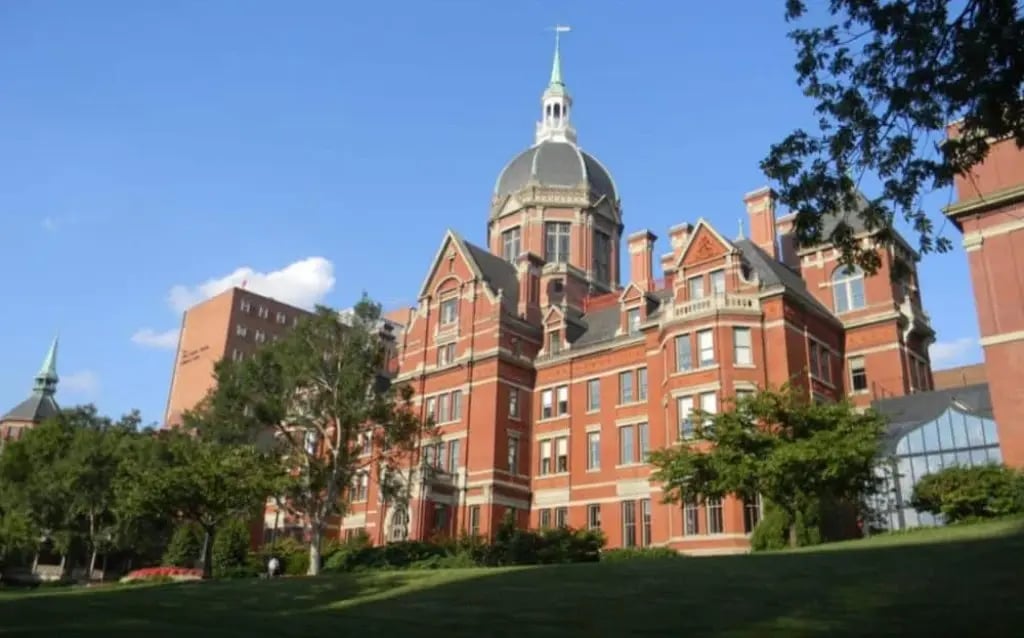
- City: Baltimore, MD
- Selectiveness: 99/100
- Median GPA: 3.97
- Median MCAT: 522
- In-State Tuition: $68,878
- Out-of-State Tuition: $68,878
Johns Hopkins University School of Medicine is renowned for its leadership in medical research. Its integrated Genes to Society curriculum gives students a broad understanding of health and disease, and its affiliation with one of the world’s most recognized academic medical centers provides exceptional opportunities for research and patient care.
The school has also expanded financial support for students through a major philanthropic donation. Johns Hopkins is tuition-free for all undergraduates from families earning up to $200,000 a year.
4. Duke University School of Medicine

- City: Durham, NC
- Selectiveness: 91/100
- Median GPA: 3.95
- Median MCAT: 520
- In-State Tuition: $74,690
- Out-of-State Tuition: $74,690
Duke University School of Medicine stands out for its innovative curriculum, early clinical exposure, and strong emphasis on research. Unlike most medical schools, Duke moves core clinical clerkships into the second year, allowing students more time during their third year to pursue research, electives, or other academic interests before residency.
Its collaborative learning environment and close integration with Duke University Health System provide students with extensive opportunities in patient care and medical discovery.
5. UCSF School of Medicine
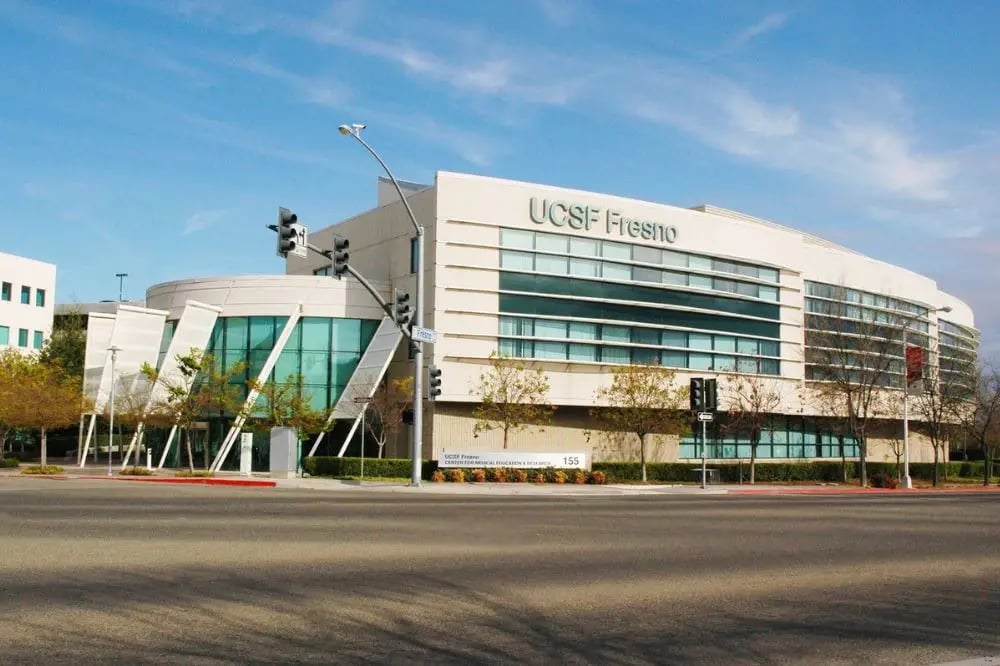
- City: San Francisco, CA
- Selectiveness: 88/100
- Median GPA: 3.93
- Median MCAT: 517
- In-State Tuition: $42,540
- Out-of-State Tuition: $54,785
University of California San Francisco School of Medicine is known for excellence in medical research, clinical training, and commitment to health equity. Students benefit from opportunities across UCSF Health, one of the nation’s leading academic health systems.
The school’s strengths in biomedical research, public health, and community medicine make it a standout program for future physicians interested in innovation and impact.
6. UPenn Perelman School of Medicine

- City: Philadelphia, PA
- Selectiveness: 98/100
- Median GPA: 3.98
- Median MCAT: 522
- In-State Tuition: $77,491
- Out-of-State Tuition: $77,491
Perelman School of Medicine at the University of Pennsylvania is one of the nation’s oldest and most respected medical schools, known for its leadership in biomedical research. Students benefit from a collaborative curriculum, early clinical experiences, and extensive opportunities to pursue research and scholarly projects through Penn’s world-class academic medical center.
7. NYU Grossman School of Medicine
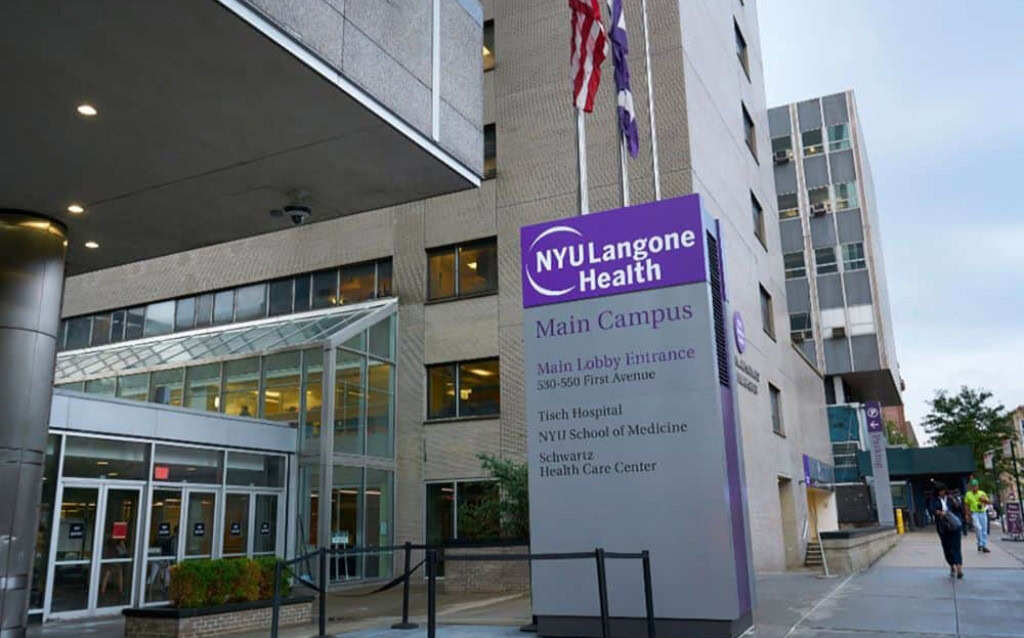
- City: New York City, NY
- Selectiveness: 100/100
- Median GPA: 3.99
- Median MCAT: 523
- In-State Tuition: No tuition. Total fees are $4,350
- Out-of-State Tuition: No tuition. Total fees are $4,350
NYU Grossman School of Medicine is recognized for its innovative approach to medical education, strong clinical training, and commitment to making medical school more accessible. The school was one of the first top-ranked medical programs to offer full-tuition scholarships for all students.
Grossman provides opportunities such as an accelerated three-year MD pathway for select students. Through NYU Langone Health, students gain experience caring for diverse patient populations in one of the world’s largest healthcare environments.
8. Stanford University School of Medicine

- City: Stanford, CA
- Selectiveness: 88/100
- Median GPA: 3.96
- Median MCAT: 520
- In-State Tuition: $70,915
- Out-of-State Tuition: $70,915
Stanford University School of Medicine is known for its leadership in biomedical research, innovation, and medical education. Located in the heart of Silicon Valley, Stanford provides students with unique opportunities to explore the intersection of medicine and technology while training alongside world-renowned researchers.
9. Yale School of Medicine

- City: New Haven, CT
- Selectiveness: 94/100
- Median GPA: 3.96
- Median MCAT: 522
- In-State Tuition: $75,990
- Out-of-State Tuition: $75,990
Yale School of Medicine, part of Yale University, is recognized as a global leader in biomedical research, advanced clinical care, and medical education. The school’s unique Yale System of Medical Education emphasizes independent learning, critical thinking, and student-driven research, giving students the flexibility to explore their academic interests.
Yale also offers an optional Flex Year between the third and fourth years, allowing students to pursue research, clinical experiences, or dual-degree programs as part of their training.
10. University of Michigan Medical School
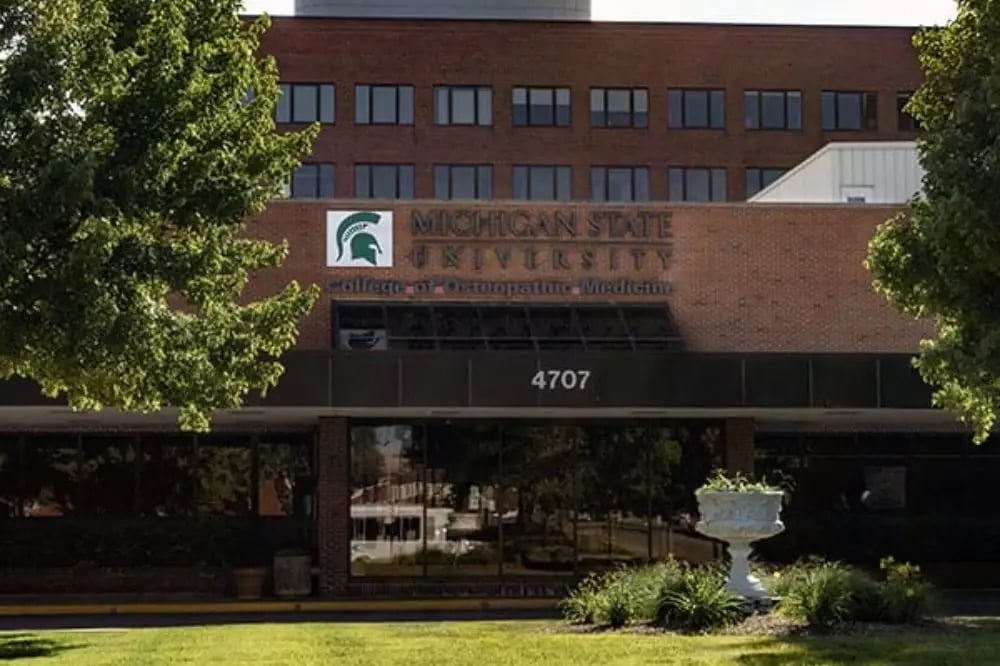
- City: Ann Arbor, MI
- Selectiveness: 85/100
- Median GPA: 3.9
- Median MCAT: 518
- In-State Tuition: $58,737
- Out-of-State Tuition: $79,575
The University of Michigan Medical School is known for its “Trunk and Branches” curriculum that integrates clinical exposure from the start of training, helping students connect foundational science with patient care. With a supportive grading approach and extensive research opportunities, Michigan provides students with the flexibility to explore their interests.
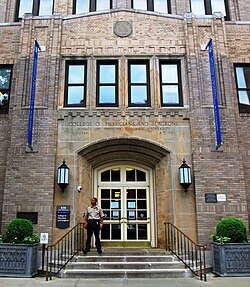
11. Columbia University Vagelos College of Physicians & Surgeons
- City: New York, NY
- Selectiveness: 96/100
- Median GPA: 3.97
- Median MCAT: 522
- In-State Tuition: $77,585
- Out-of-State Tuition: $77,585
Columbia University Vagelos College of Physicians and Surgeons is known for excellence in biomedical research, clinical education, and patient care. Through its affiliation with Columbia University Irving Medical Center, students train in a diverse urban healthcare environment while gaining access to extensive research opportunities.
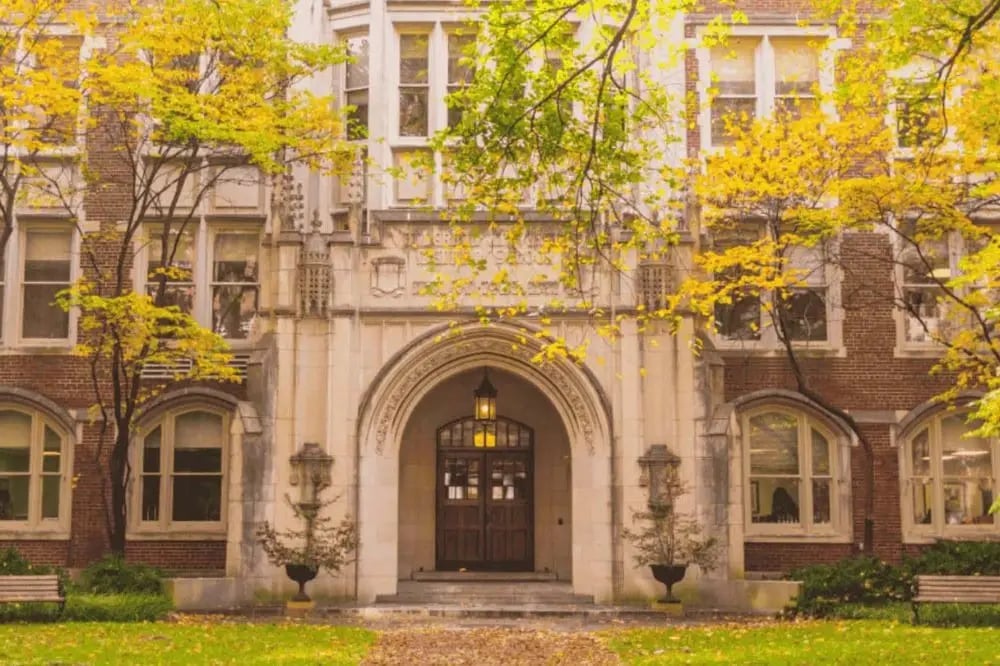
12. Vanderbilt University School of Medicine
- City: Nashville, TN
- Selectiveness: 93/100
- Median GPA: 3.97
- Median MCAT: 522
- In-State Tuition: $72,803
- Out-of-State Tuition: $72,803
Located in the heart of Nashville, Vanderbilt University School of Medicine emphasizes active learning, early clinical immersion, and integrated science throughout all four years of medical training. Through Vanderbilt University Medical Center, students gain access to extensive opportunities in research, patient care, and medical innovation.
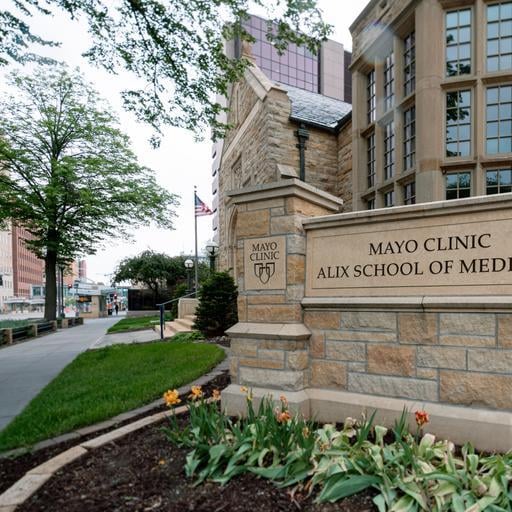
13. Mayo Clinic Alix School of Medicine
- City: Rochester, MN
- Selectiveness: 90/100
- Median GPA: 3.95
- Median MCAT: 521
- In-State Tuition: $67,900
- Out-of-State Tuition: $67,900
Mayo Clinic Alix School of Medicine is recognized for its exceptional clinical training, patient-centered approach, and strong emphasis on research and innovation. Students benefit from early clinical experiences, small class sizes, and training across Mayo Clinic's nationally recognized campuses, where they work alongside leading physicians and scientists.
The school also offers extensive opportunities for research, individualized career exploration, and mentorship throughout a student’s medical education.
14. Cleveland Clinic College of Medicine (Case Western Reserve University)

- City: Cleveland, OH
- Selectiveness: 80/100
- Median GPA: 3.94
- Median MCAT: 518
- In-State Tuition: $74,540
- Out-of-State Tuition: $74,540
Case Western Reserve University School of Medicine is recognized for its innovative curriculum, strong biomedical research, and collaborative approach to medical education. Students benefit from early clinical experiences, extensive research opportunities, and partnerships with the Cleveland Clinic and University Hospitals.
The school also offers the Cleveland Clinic Lerner College of Medicine, a highly selective 5-year MD program that provides full-tuition scholarships. The specialized track prepares future physician-scientists through an intensive research-focused curriculum.
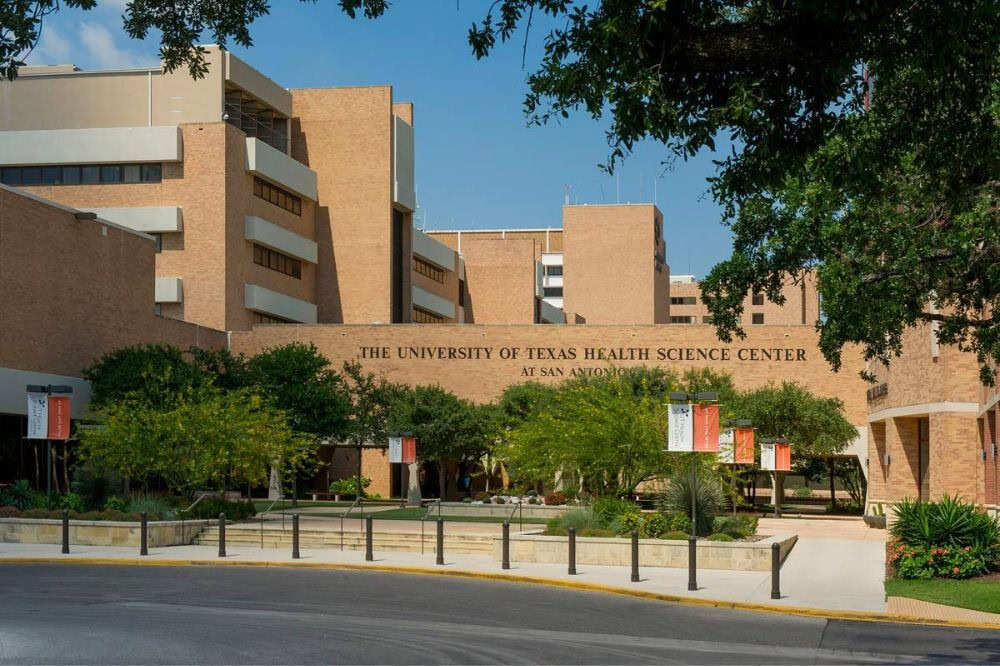
15. UT Health San Antonio, Joe R. and Teresa Lozano Long School of Medicine
- City: San Antonio, TX
- Selectiveness: 72/100
- Median GPA: 3.95
- Median MCAT: 518
- In-State Tuition: $26,798
- Out-of-State Tuition: $42,214
Joe R. and Teresa Lozano Long School of Medicine at UT Health San Antonio is a leading public medical school recognized for its commitment to clinical training, biomedical research, and improving health outcomes for diverse communities across South Texas.
The school also offers unique opportunities in emerging fields, including an MD/MS in Artificial Intelligence designed to prepare future physicians for the evolving role of tech in medicine. As a public medical school, they offer comparatively lower tuition rates for Texas residents, making it an attractive option for students seeking a high-quality medical education at a lower cost.
16. University of South Florida Morsani College of Medicine

- City: Tampa, FL
- Selectiveness: N/A
- Median GPA: 3.97
- Median MCAT: 521
- In-State Tuition: $33,726
- Out-of-State Tuition: $57,036
University of South Florida Morsani College of Medicine (now branded as USF Health Morsani College of Medicine) is recognized for its innovative curriculum and commitment to training physicians who serve diverse communities.
Located in Tampa, the public medical school emphasizes early clinical experiences, active learning, and a case-based approach that integrates scientific knowledge with patient care. Through partnerships with Tampa General Hospital, students gain extensive opportunities for hands-on clinical training, while Florida residents benefit from competitive in-state tuition rates.
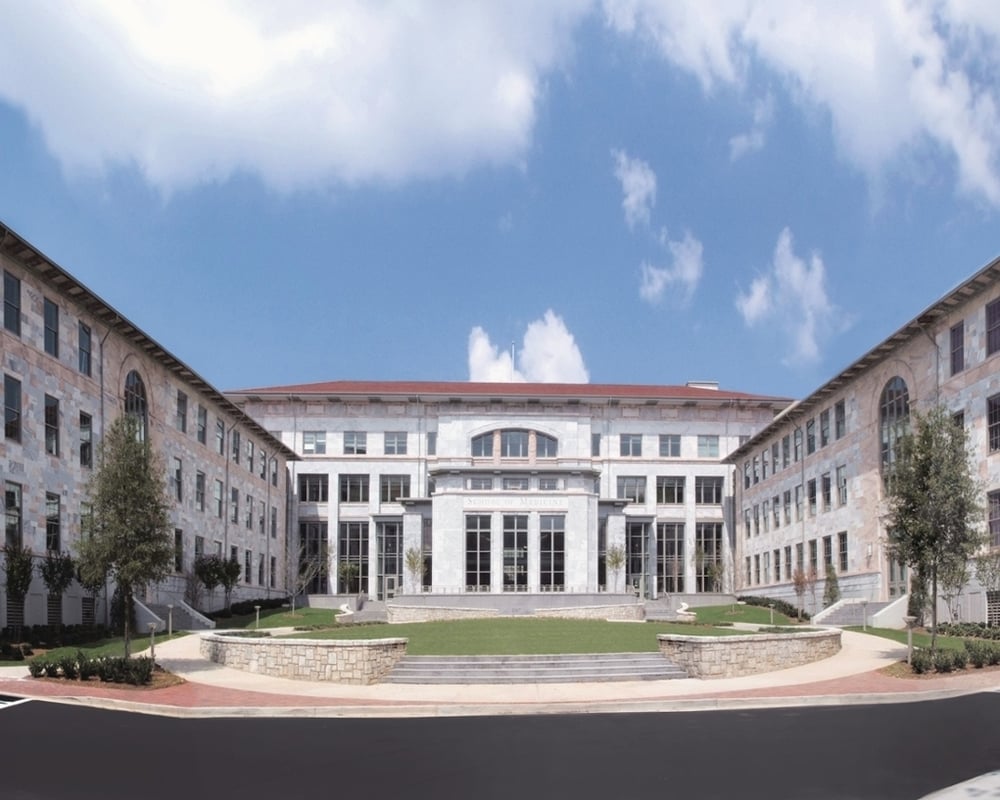
17. Emory University School of Medicine
- City: Atlanta, GA
- Selectiveness: 73/100
- Median GPA: 3.89
- Median MCAT: 517
- In-State Tuition: $60,382
- Out-of-State Tuition: $60,382
Emory University School of Medicine stands out for its strengths in public health, global medicine, and training physicians to serve diverse communities. Located in Atlanta, Emory offers students unique opportunities through its affiliation with Emory Healthcare and its close connection to the Centers for Disease Control and Prevention (CDC).
The school’s programs in infectious disease, epidemiology, and population health make it a particularly strong choice for students interested in medicine beyond the individual patient level.
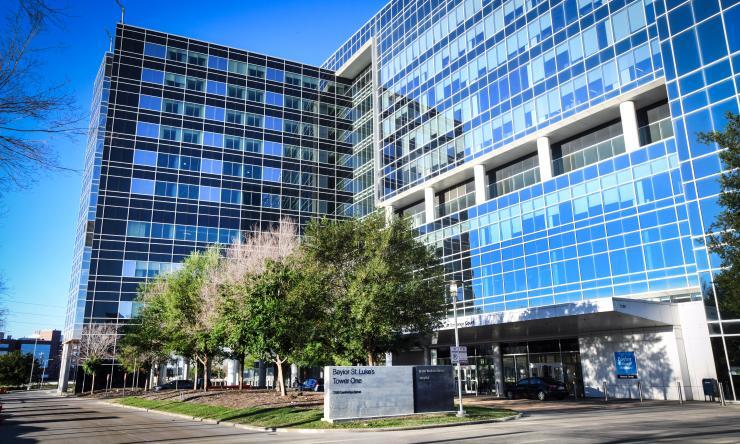
18. Baylor College of Medicine
- City: Houston, TX
- Selectiveness: 82/100
- Median GPA: 3.95
- Median MCAT: 519
- In-State Tuition: $23,783
- Out-of-State Tuition: $36,879
Baylor College of Medicine is located within Houston’s Texas Medical Center, the largest medical complex in the world. Students benefit from access to a diverse patient population and training opportunities across multiple leading healthcare institutions.
Baylor’s combination of hands-on clinical experiences, strong academics, and affordability compared to many private medical schools makes it a standout option for future physicians.
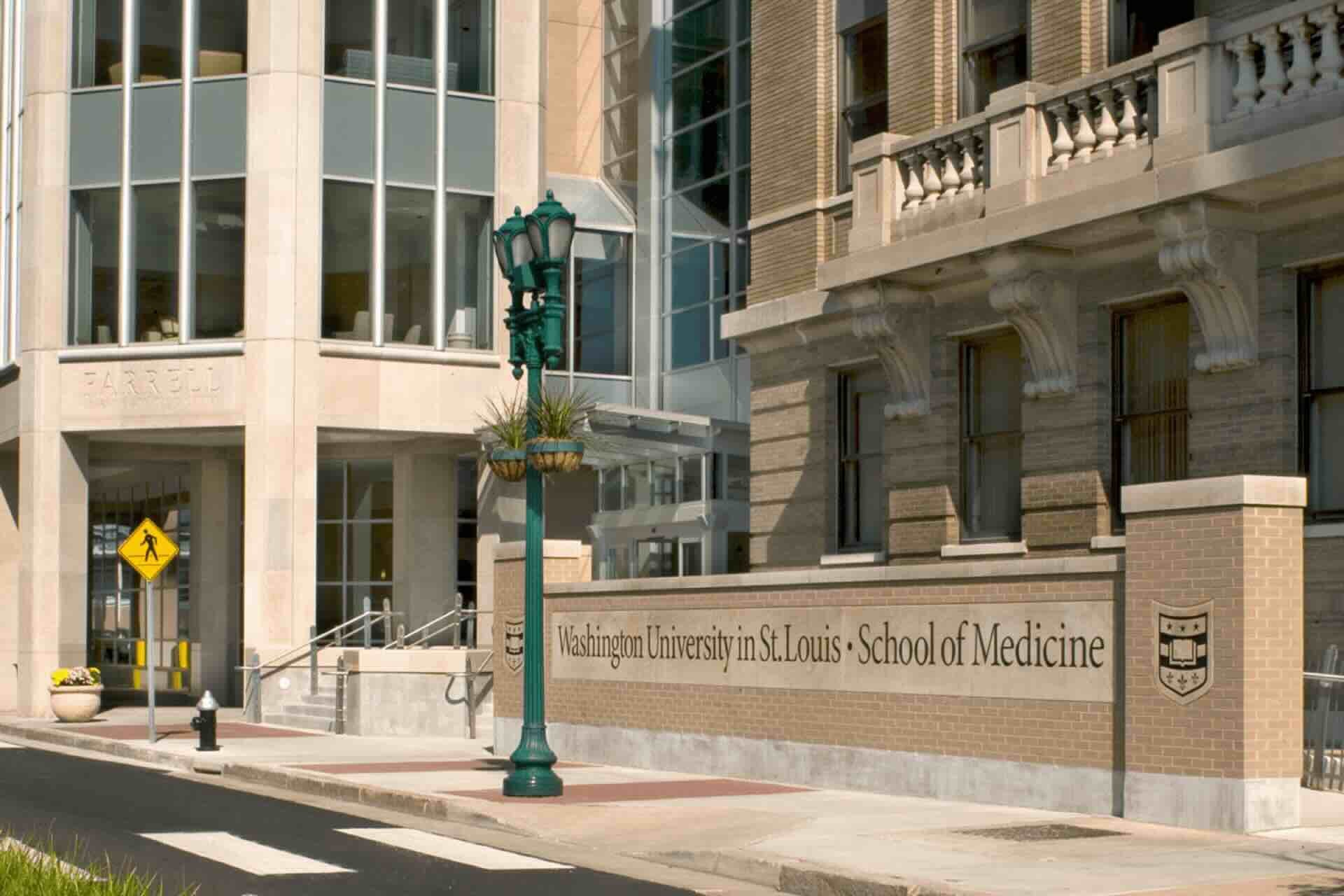
19. Washington University School of Medicine
- City: St. Louis, MO
- Selectiveness: 71/100
- Median GPA: 3.9
- Median MCAT: 515
- In-State Tuition: $69,468
- Out-of-State Tuition: $69,468
Washington University School of Medicine in St. Louis is recognized for biomedical research, physician-scientist training, and academic medicine. The school is home to internationally recognized research programs and offers students extensive opportunities to work alongside faculty investigating areas like genetics, cancer biology, and neuroscience.
Students also gain clinical experience at one of the nation’s leading academic medical centers through the school’s affiliation with Barnes-Jewish Hospital and BJC HealthCare.
20. Hofstra University Zucker School of Medicine

- City: Hempstead, NY
- Selectiveness: 62/100
- Median GPA: 3.93
- Median MCAT: 519
- In-State Tuition: $61,875
- Out-of-State Tuition: $61,875
Donald and Barbara Zucker School of Medicine at Hofstra/Northwell stands out for its early clinical exposure and connection to one of the largest health systems in the New York metro area. Founded through a partnership between Hofstra University and Northwell Health, the school gives students opportunities to train across a broad network of clinical settings.
Its curriculum emphasizes active learning, patient interaction from the beginning of medical school, and programs that help students develop skills beyond classroom-based training.
Build your application alongside a physician with AdCom experience.
Other Noteworthy Institutions
Beyond the schools highlighted above, many other medical programs stand out for their unique missions, educational approaches, and research opportunities. These institutions may be a strong fit for students seeking specific experiences, values, or areas of focus in their medical education:
- Albert Einstein College of Medicine (Bronx, NY): Known for its commitment to research and service-oriented medicine, Albert Einstein gained national attention after announcing a tuition-free MD program for students meeting eligibility requirements.
- David Geffen School of Medicine at UCLA (Los Angeles, CA): UCLA is known for its excellence in clinical training, biomedical research, and commitment to serving diverse patient populations across Los Angeles. Its affiliation with UCLA Health provides students with extensive clinical opportunities.
- Meharry Medical College (Nashville, TN): This historically Black medical school has a strong mission of educating physicians who serve underserved communities. Meharry is particularly recognized for its focus on health equity, community medicine, and increasing representation in healthcare.
- Northwestern University Feinberg School of Medicine (Chicago, IL): Located in Chicago, Feinberg provides students with clinical opportunities through Northwestern Medicine while offering opportunities in areas such as biomedical research and health equity.
- University of Colorado School of Medicine (Aurora, CO): Located on the Anschutz Medical Campus, the University of Colorado School of Medicine offers students training opportunities within a major academic health center serving patients throughout the Rocky Mountain region.
- University of Virginia School of Medicine (Charlottesville, VA): One of the oldest medical schools in the country, UVA combines strong research with a patient-centered curriculum and extensive clinical training opportunities through the UVA Health system.
- University of Washington School of Medicine (Seattle, WA): Through its WWAMI program, UW provides medical education across Washington, Wyoming, Alaska, Montana, and Idaho, with a strong emphasis on rural medicine, primary care, and medically underserved populations.
- Weill Cornell Medicine (New York City, NY): As part of Cornell University, students benefit from access to a world-class academic medical center, diverse patient populations, and opportunities for collaboration across disciplines.
Check out our other ranked school lists:
Read Next: How to Answer “Why This Medical School” (Step-by-Step)
FAQs
Increase Your Odds of Acceptance
Getting into a top medical school requires more than strong grades and test scores. Admissions committees evaluate the full picture of your application, including your experiences, school list, personal statement, secondary applications, and interview performance.
A strategic approach can help you craft a more compelling application, highlight your strengths, and prepare effectively for each stage of the admissions process.
Build your application alongside a doctor with admissions experience, and join the 95% of clients who get into medical school.